
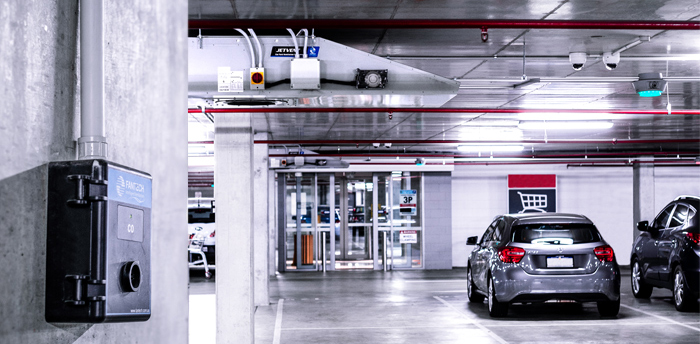
How to remove CO from a parking space and what dangers it can cause
Proper ventilation is crucial to removing carbon monoxide (CO) and ensuring the safety of people in parking lots. Here are some general guidelines on how to remove CO from parking lots:
Installation of ventilation systems:
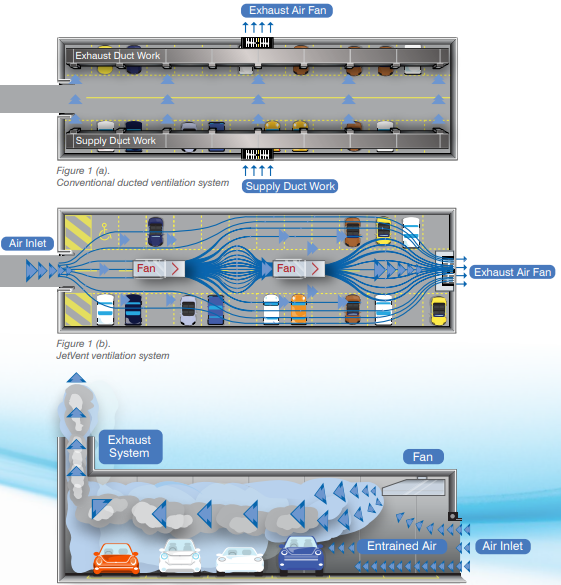
Use mechanical ventilation systems, such as fans or exhaust fans, to increase air circulation.
Make sure the ventilation system is designed to effectively remove pollutants, including CO, from the parking lot.
Regular maintenance:
Keep ventilation systems well maintained so they are working properly.
Regularly inspect and clean ventilation components, such as fans and ducts, to prevent system blockages and obstructions.
Natural ventilation:
Use natural ventilation whenever possible. Design parking spaces with openings, fans, or windows that allow fresh air to enter and CO to dissipate.
Place vents strategically to take advantage of periodic breezes.
Monitor CO levels:
Install carbon monoxide detectors in key parking spaces.
Set up a monitoring system to continuously measure CO levels and sound an alarm if CO concentrations exceed safe limits.
Emergency procedures:
Establish emergency procedures in the event of a sudden increase in CO levels. This may include automatically shutting down certain equipment or systems, as well as evacuation protocols.
Compliance:
Ensure that the ventilation system complies with local building codes, safety codes, and any applicable standards for parking structures.
Consumer Education:
Inform parking lot users about the dangers of carbon monoxide and the importance of proper ventilation.
Encourage responsible vehicle use, especially in enclosed spaces.
Professional Assessment:
If you have concerns about the effectiveness of your ventilation system, consider hiring a professional to assess and optimize ventilation issues.
It is important to note that ventilation is only one component of overall safety measures. Regular maintenance, proper use of equipment, and adherence to safety guidelines are equally important in preventing carbon monoxide exposure.
If you suspect a carbon monoxide leak or are concerned about elevated carbon dioxide levels, evacuate the area immediately, seek fresh air, and contact emergency services. Safety should always be your top priority.
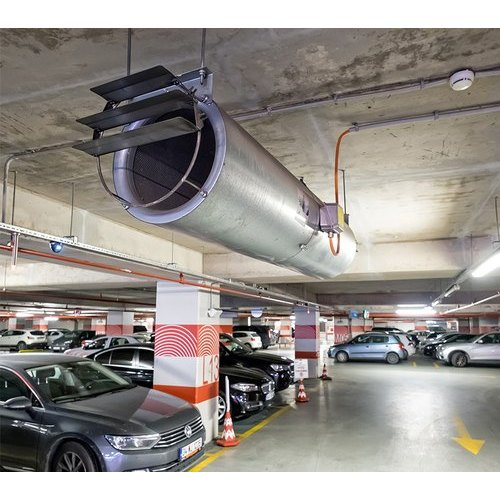
Carbon monoxide (CO) is a colorless, odorless gas that can be produced by the incomplete combustion of carbon-containing fuels, such as gasoline, natural gas, and wood. It is important to be aware of the potential dangers of carbon monoxide in parking lots, especially in enclosed or poorly ventilated areas. Here are some key considerations:
Vehicle Exhaust:
The primary source of carbon monoxide in parking lots is vehicle exhaust. When cars, trucks, or other motorized vehicles are driven in an enclosed space, such as a garage, the accumulated levels of carbon monoxide can become dangerous.
Enclosed Spaces:
Parking lots that are completely or partially enclosed, such as underground parking garages or basements, can trap carbon monoxide. Without proper ventilation, the gas can build up to dangerous levels.
Idle Vehicles:
Cars left in enclosed spaces, even for a short time, can cause carbon monoxide to build up. This can happen if someone is heating their car in a closed garage or if the car is left unattended while it is running.
Blocked Exhaust Systems:
Blocked or damaged exhaust systems in cars can increase the likelihood of carbon monoxide leaks. It is important to have your car inspected regularly to make sure that the exhaust systems are in good condition.
Symptoms of Carbon Monoxide Poisoning:
Carbon monoxide is dangerous because it can be inhaled without causing any symptoms. Symptoms of carbon monoxide poisoning include headache, dizziness, weakness, nausea, vomiting, chest pain, and confusion. In severe cases, it can lead to unconsciousness and death.
Preventive measures:
To reduce the risk of carbon monoxide exposure in parking lots, it is crucial to ensure adequate ventilation. This may include installing exhaust fans or ventilation to facilitate air movement. It is also important to avoid operating vehicles in enclosed spaces and to promptly address any problems with exhaust systems.
Carbon monoxide detectors:
Installing carbon monoxide detectors in parking lots provides early warning of elevated gas levels. These detectors should be located at a height where they can detect the presence of carbon monoxide.
Regulatory compliance:
Building codes and regulations may require special measures to be taken for ventilation in parking structures to reduce the risk of CO accumulation. It is important to follow these rules to ensure the safety of people.
Always prioritize safety when dealing with carbon monoxide. If you suspect a carbon monoxide leak or poisoning, immediately leave the area, move to fresh air, and seek medical attention immediately.