What is a VRV/VFR system, its advantages and disadvantages?

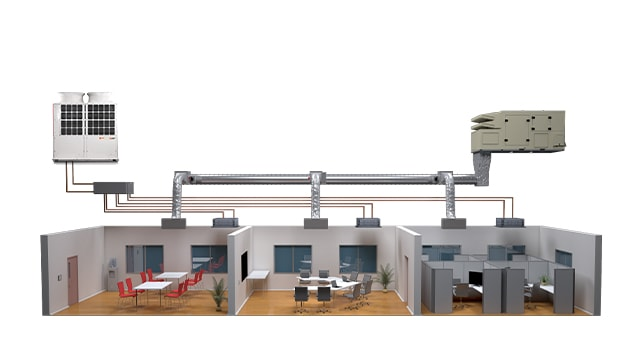
VRV (Variable Refrigerant Volume) and VRF (Variable Refrigerant Flow) are HVAC (Heating, Ventilation and Air Conditioning) systems that offer energy-efficient and flexible climate control in buildings. Although the terms are sometimes used interchangeably, VRV is a trademark of Daikin Industries, while VRF is a more generic term used by other manufacturers. Here is an overview of VRV/VRF systems, along with their advantages and disadvantages:
Advantages of VRV/VRF systems:
1.Energy efficiency:
Designed to be energy-efficient. They can vary the flow of refrigerant to different indoor units according to the heating or cooling requirements of individual zones, optimizing energy consumption.
2. Zoning and Individual Control:
These systems allow for zoning, which means that different areas or rooms in a building can be controlled independently. Individuals can adjust the temperature according to their preference, ensuring personal comfort.
3. Flexible Installation:
They are often easier to install and modify than traditional HVAC systems, making them suitable for both new construction and retrofit projects.
4. Quiet Operation:
The indoor units of these systems are typically silent in operation. This makes them suitable for a variety of applications, including residential, commercial, and hospitality options.
5. Heat Recovery Capability:
Many VRV/VRF systems have heat recovery capabilities. In simultaneous heating and cooling mode, heat from one zone can be used to meet the heating requirements of another zone, improving overall efficiency.
6. Advanced control systems:
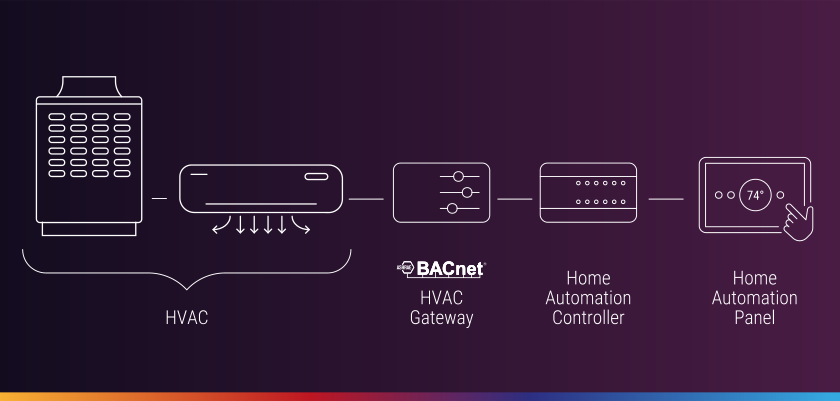
They often have advanced control systems that allow for centralized monitoring and control. Building owners and facility managers can optimize system performance and respond to changing conditions.
7. Space saving:
The compact design of these systems can save space in both mechanical rooms and building footprints. This is especially advantageous in urban environments with limited space.
Disadvantages of VRV/VRF systems:
1. Upfront cost:
The initial installation cost can be higher than traditional HVAC systems. However, the potential for energy savings and other benefits can justify the initial investment.
2. Design and installation complexity:
Design and installation require expertise and expertise to ensure proper zoning, capacity, and control. Improper installation can lead to inefficiencies and performance issues.
3. System compatibility:
VRV/VRF system components may not always be compatible with components from other manufacturers. This can limit flexibility in terms of system upgrades or replacement.
4. Maintenance and repair:
While VRV/VRF systems are generally reliable, maintenance and repair can require specialized knowledge and skills. It is important to have access to experienced technicians who are familiar with the specific system.
5. Considering the climate:
In extremely cold climates, the efficiency of some VRV/VRF systems may be reduced. It is important to choose a system that is suitable for the local climate conditions.
VRV/VRF systems offer energy-efficient and flexible HVAC solutions with advantages such as individual control, energy savings and quiet operation. However, it is important to consider upfront costs, installation complexity and system compatibility when deciding whether these systems are suitable for a particular application. It is recommended to consult with HVAC professionals and manufacturers to determine the most suitable system for your specific needs and requirements.