
Building ventilation - ventilation systems
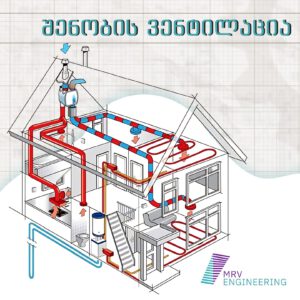
Ventilation ensures the replacement of stale air in an enclosed space with fresh, clean air.
Building ventilation is accomplished through various types of ventilation systems, which are selected and installed by a professional ventilation specialist.
Effective ventilation plays a particularly important role in various business activities.
ვენტილაცია არის შიდა სივრცეებისთვის სუფთა ჰაერის მიწოდების პროცესი და მოძველებული ჰაერის, დამაბინძურებლებისა და სუნის მოცილება. ის გადამწყვეტ როლს თამაშობს შიდა ჰაერის ხარისხის (IAQ) შენარჩუნებაში, ჰაერის უწყვეტი გაცვლის უზრუნველსაყოფად, დამაბინძურებლების კონცენტრაციის შემცირებით და კომფორტული და ჯანსაღი გარემოს უზრუნველყოფით ადამიანებისთვის.
Ventilation is important for business
The main areas where the role of building ventilation is particularly high:
- Fire ventilation
- Clinic ventilation
- Operating room ventilation
- Industrial ventilation
- Office space ventilation
Why is ventilation important for enterprises?
Air Quality:
Ventilation helps to dilute and remove indoor pollutants, such as volatile organic compounds (VOCs), odors, and other contaminants. This is vital to maintaining a healthy and comfortable work environment.
Disease Control:
Adequate ventilation can help reduce the spread of airborne pathogens, including viruses and bacteria. This is especially important in shared office spaces where individuals may be in close proximity to each other.
Comfort and Productivity:
Proper ventilation promotes thermal comfort by regulating temperature and humidity levels. A comfortable workplace promotes productivity and employee well-being.
Humidity Control:
Ventilation helps to control indoor humidity levels, preventing problems such as mold growth and protecting building materials and furnishings from moisture damage.
Odor Removal:
Effective ventilation helps eliminate odors, improves the overall indoor environment, and creates a more pleasant workplace.
Please note that local building codes and standards may vary.
Typical office ventilation rates include a certain amount of outside air per person (e.g., 15 cubic feet per minute or cfm) and per square foot of floor area (e.g., 0.06 cfm/sq ft).
Factors that affect ventilation needs:
Occupancy density:
The number of people working in a space affects ventilation requirements. Higher occupancy densities may require increased ventilation to maintain air quality.
Building design and layout:
The layout of the office, the presence of partitions, and the distribution of workstations can all affect the air circulation in the space. Proper design planning can enhance the effectiveness of ventilation.
Activity Type:
The nature of the activities carried out in a facility, such as equipment use, cooking or other processes, can affect ventilation needs.
Outdoor Air Quality:
The quality of the outdoor air in the vicinity of the facility affects indoor air quality. Ventilation systems should be designed to filter outdoor air to reduce pollutants.
Local Climate:
Climatic conditions, including temperature and humidity, can affect the design and operation of a ventilation system.
It is important for building owners, facility managers and HVAC professionals to assess the specific factors associated with the office space and the people in the office to determine the most appropriate ventilation strategy. Regular maintenance of ventilation systems is also essential to ensure their continued effectiveness.
What does fire ventilation help us with?
Fire ventilation and fire suppression systems play a crucial role in ensuring the safety of people and minimizing property damage in the event of a fire.
How these systems help:
Fire ventilation systems:
Smoke control:
Fire ventilation systems are designed to control the movement of smoke in the event of a fire. By managing the flow of smoke, these systems help improve visibility and provide safe evacuation routes for occupants.
Heat control:
Ventilation systems can also help control the build-up of heat during a fire. By removing hot air and gases, these systems help limit the spread of fire and reduce the risk of structural damage.
Toxic gas removal:
In addition to smoke, fires can also produce toxic gases. Ventilation systems help remove these harmful gases, creating a relatively safe environment for occupants. Rescue and emergency workers.
Air supply for firefighters:
Fire ventilation systems can provide firefighters with a controlled supply of air into a building. This helps them navigate through smoke-filled areas and help them find and extinguish fires.
Flashover prevention:
Flashover is the critical point during a fire where all exposed combustible materials ignite simultaneously. Proper ventilation can help prevent or delay overheating, giving occupants more time to escape and firefighters a better chance of controlling the fire.
Fire suppression systems:
Automatic fire suppression systems, such as sprinkler systems, respond quickly to the presence of a fire. Rapid response helps contain and suppress fires at an early stage, reducing their potential impact.
Reduced fire spread:
Fire suppression systems are designed to control and extinguish fires before they spread to other parts of a building. These systems prevent fires from reaching uncontrolled levels.
Occupant safety:
By extinguishing fires, these systems create a safe environment for building occupants. This is especially important in environments such as residential buildings, schools, and commercial spaces where large numbers of people may be present.
Property protection:
Fire suppression systems help protect property by reducing fire damage. This is essential to preserving valuable assets and reducing the financial impact of a fire incident.
Flammable Material Protection:
Certain fire protection systems are designed to protect specific types of materials or equipment, such as those used in industrial settings. This targeted protection helps prevent the destruction of critical assets.
Gas Fire Suppression:
Gas fire suppression is a fire suppression method that uses inert or specialty gases to reduce the oxygen concentration or remove heat from the fire triangle (fuel, oxygen, and heat). These systems are typically used in areas where traditional water-based fire suppression methods can damage sensitive equipment or materials. Gaseous agents such as carbon dioxide, clean agents (such as FM-200 or Novec 1230), and inert gases (such as nitrogen or argon) are used to quickly extinguish fires in a protected area without leaving residue or secondary damage. Gas fire suppression is used in a variety of applications, including data centers, server rooms, museums, and other environments where the preservation of valuable assets is critical.
Reduced Firefighter Risk:
These systems assist firefighters in controlling or extinguishing fires before they reach the scene. This reduces the risks associated with extinguishing fires and enhances the effectiveness of emergency response efforts.
Fire ventilation and suppression systems are integral components of fire safety strategies, providing essential tools to control, suppress, and minimize the impact of fires on both people and property. Proper design, installation, and maintenance of these systems are critical to their effectiveness in emergency situations.
Ventilation systems
Which ventilation units are the most efficient in an enterprise?
The ventilation unit AHU (air handling unit) is specially designed for modern enterprises, providing the internal air temperature, humidity and clean air of the enterprise.
The AHU system includes the following elements:
Air intake – collects air from the outside, which is already processed and distributed to the rooms;
Filter: provides protection against viruses and bacteria. Its function is to retain odors and air pollutants.
Fan: This is an electromechanical system that forces air to be expelled from the AHU into the ducts that distribute the air to the rooms.
Heat exchangers: Devices that transfer temperature between two fluids, in this case, refrigerant and air, which are separated by a solid barrier.
Cooling coil: The air passing through this module is cooled. This process can produce water droplets that are collected in the condensate tray thanks to the built-in droplet separator.
Silencer: A covering that significantly reduces the sound level of the installation.
Plenums: Empty spaces in which the air flow is homogenized.